BalanceBikeToddler
12V vs 24V Ride On Car
Voltage maps to age and terrain: 6V for smooth floors, 12V for grass and 3-5 year olds, 24V for older kids on bigger yards. How to choose.
By BalanceBikeToddler Editorial Team ·
Short answer: Voltage maps to age and terrain: 6V for smooth floors, 12V for grass and 3-5 year olds, 24V for older kids on bigger yards. How to choose.
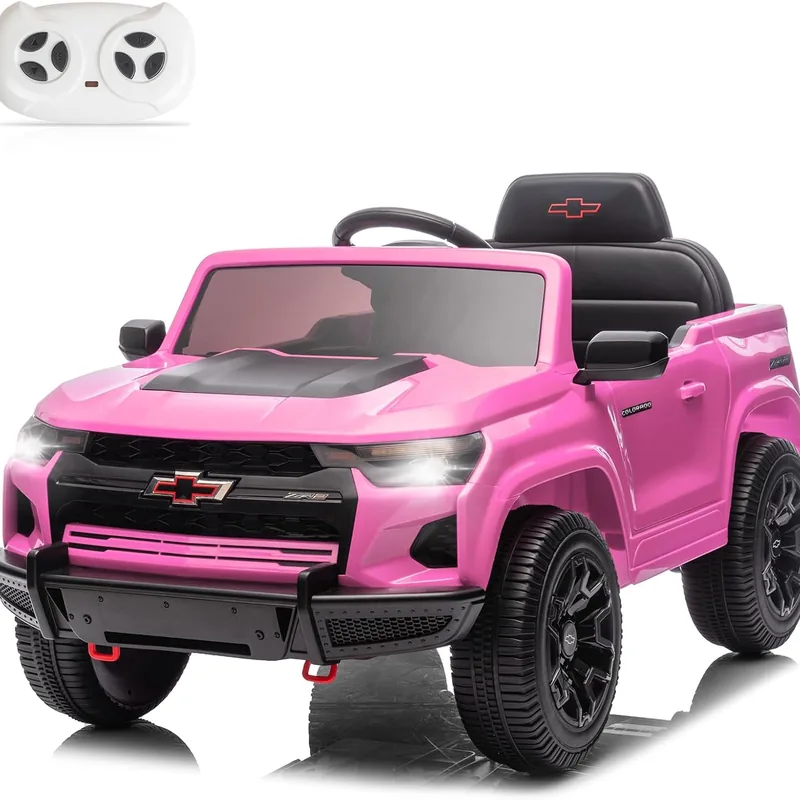
Ride-on cars are sold by voltage, and the number is the single most useful spec for matching a car to a child and a yard. This guide covers what 6V, 12V, and 24V each mean in practice.
Voltage maps to terrain and age
- 6V: smooth indoor floors and the youngest drivers. Slowest, gentlest, shortest runtime.
- 12V: grass, gentle slopes, and most 3-5 year olds. The common family choice — see the best car for a 3 year old.
- 24V: older children on larger yards. Faster, longer runtime, and a weight and speed level that deserves the same helmet discipline as a bike.
What higher voltage changes
More voltage means more speed and more torque, which means it climbs grass and carries bigger kids. It also means more responsibility: a 24V car is not a toy for a two-year-old. Match the voltage to the child's age and the surface, not to the biggest number you can buy.
Runtime is separate from voltage
Voltage is capacity to move; runtime is the battery's amp-hours and how it is driven. A 12V car with a larger battery may outrun a 24V car with a small one. Check runtime claims and read the battery care guide for keeping it.
Parent control scales with speed
Faster cars need a parental remote more. If you are leaning 24V for an older child, insist on remote lockout; for a 6V toddler car it is a nicety.
Safety and terrain
Whichever voltage, check the weight limit and the tires for the surface — plastic wheels struggle on grass, and the tire guide covers what rolls best.
Further reading
Related Reviews
Products Mentioned in This Guide
- First Ride On 24V Ride on Toys for Big Kids, Licensed Ford Bronco Raptor 2 Seater Ride on Cars with Remote Control, Ride on Truck w/ 4-Wheeler Suspension, 3 Speeds, Led Lights, Bluetooth (24V, Pink)Source-based score, full specs & safety checklist for the First Ride On 24V Ride on Toys for Big Kids, Licensed Ford Bronco Raptor 2 Seater Ride on Cars with Remote Control, Ride on Truck w/ 4-Wheeler Suspension, 3 Speeds, Led Lights, Bluetooth (24V, Pink).
- Step2 Whisper Ride II Kids Push Car, Ride-On Car with Seat Belt and Horn, Quick Fold Handle, Stroller Alternative, Toddlers aSource-based score, full specs & safety checklist for the Step2 Whisper Ride II Kids Push Car, Ride-On Car with Seat Belt and Horn, Quick Fold Handle, Stroller Alternative, Toddlers a.
- MINIATURE MOTORS 12V Kids Electric Ride on Truck Car Remote Control, Twin 35W Motors 3.5MPH Max Speed, Bluetooth Music PlayerSource-based score, full specs & safety checklist for the MINIATURE MOTORS 12V Kids Electric Ride on Truck Car Remote Control, Twin 35W Motors 3.5MPH Max Speed, Bluetooth Music Player.
Continue browsing the full guide library.