BalanceBikeToddler
3 Wheel vs 2 Wheel Scooter
Three wheels lean-to-steer and stay up; two wheels fold smaller and last longer. How to pick by age, route, and storage.
By BalanceBikeToddler Editorial Team ·
Short answer: Three wheels lean-to-steer and stay up; two wheels fold smaller and last longer. How to pick by age, route, and storage.
The first decision on a kids' scooter is the wheel count, and it is mostly a decision about the rider's age and where the scooter lives. This guide covers what three wheels and two wheels each give up.
Three wheels: stable and intuitive
A three-wheel scooter with a lean-to-steer front end stays upright on its own, so a two-year-old can ride without the bike-like fear of tipping. Steering by leaning matches how small children already move. The trade is bulk: three wheels do not fold as flat, and the deck is wider.
Two wheels: compact and longer-lived
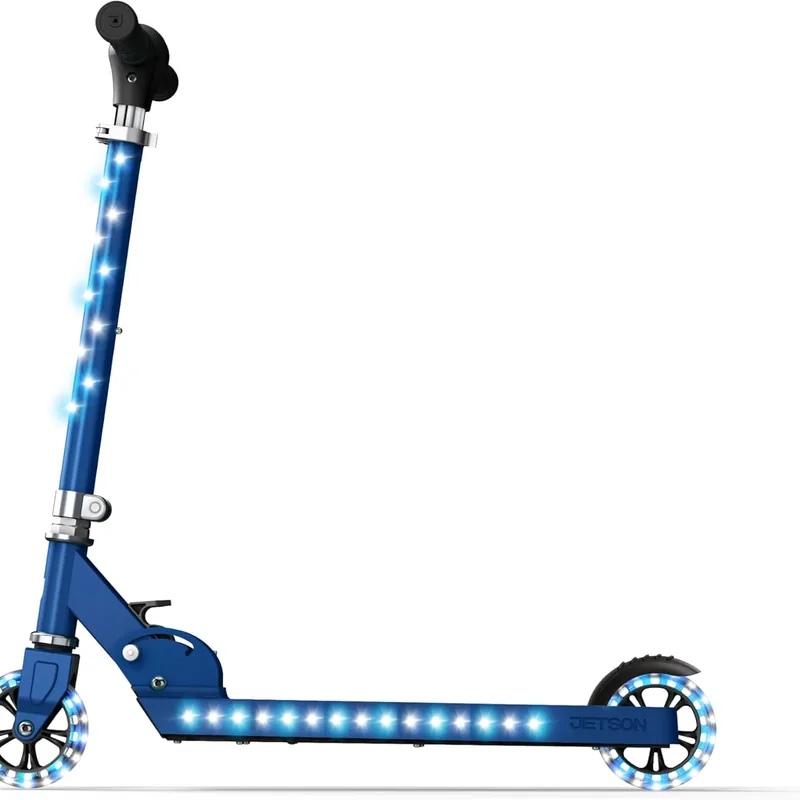
A two-wheel scooter folds small, rolls faster, and survives years of school-run use. But it needs the balance a three-wheel model trains, so it suits roughly age six and up, or a confident younger rider. See the best scooter for a 4 year old for where the handoff sits.
Pick by age and route
- Age 2-5, hallway and park: three wheels, lean-to-steer.
- Age 6+, school commute, transit: two wheels, folding.
- Unsure: a foldable travel scooter that starts at the older end of the range.
What both need
An adjustable stem so the scooter grows with the child (the height guide covers how long that really lasts), a rear foot brake that is easy to reach, and wheels big enough for the surface. A helmet and pads are required on either style.
The electric question
If you are weighing a powered model, that is a different machine with a minimum age and speed rules — the kick vs electric guide explains why this site only publishes kick scooters.
Further reading
Related Reviews
Products Mentioned in This Guide
- Green Mini 3 Wheel Scooter for Kids – Lean-to-Steer with LED Light-Up Wheels, Adjustable Handlebar, Wide Anti-Slip Deck, SmooSource-based score, full specs & safety checklist for the Green Mini 3 Wheel Scooter for Kids – Lean-to-Steer with LED Light-Up Wheels, Adjustable Handlebar, Wide Anti-Slip Deck, Smoo.
- Aovowheel Electric Scooter for Adults, Folding E Scooter with 250W-500W Motor 16-24 Mph Top Speed, Max 15-60Miles Long Range,6.5''/8.5''/10''/14'' Solid Tires Commuting Scooters, Dual BrakesSource-based score, full specs & safety checklist for the Aovowheel Electric Scooter for Adults, Folding E Scooter with 250W-500W Motor 16-24 Mph Top Speed, Max 15-60Miles Long Range,6.5''/8.5''/10''/14'' Solid Tires Commuting Scooters, Dual Brakes.
- Jetson Jupiter Kids 2-Wheel Light-Up Kick Scooter, LED Lights on Handlebar, Stem, Wheels & Deck, Adjustable Handlebar, Rear BSource-based score, full specs & safety checklist for the Jetson Jupiter Kids 2-Wheel Light-Up Kick Scooter, LED Lights on Handlebar, Stem, Wheels & Deck, Adjustable Handlebar, Rear B.
Continue browsing the full guide library.