BalanceBikeToddler
Fit for Riders Who Need Support
Balance bike fit guides for children who need extra support: inseam-first sizing, step-through frames, and the adjustments that matter most.
What fit decisions matter when support is the priority?
When a rider needs more support — because they are smaller, more cautious, or building confidence at their own pace — sizing moves from important to everything. The guides in this section cover the physical fit decisions: inseam-first seat height, step-through frame geometry, and the adjustments that matter more than the model badge.
Two numbers carry most of the decision: the lowest seat position against the child's inseam, and the frame weight relative to the rider. A bike the child cannot lift is a bike they cannot recover from.
These guides cover physical fit and setup only. They make no claims about any medical or developmental condition — for that, involve the professional who works with your child, and use these pages to find a bike that meets the constraints they identify.
By BalanceBikeToddler Editorial Team ·
- CPSC Children's Products Guidance — children's product safety baseline
- FTC Endorsement Guides — disclosure expectations for recommendations
- ISO 8098 — bicycle safety standard reference
What is listed here?
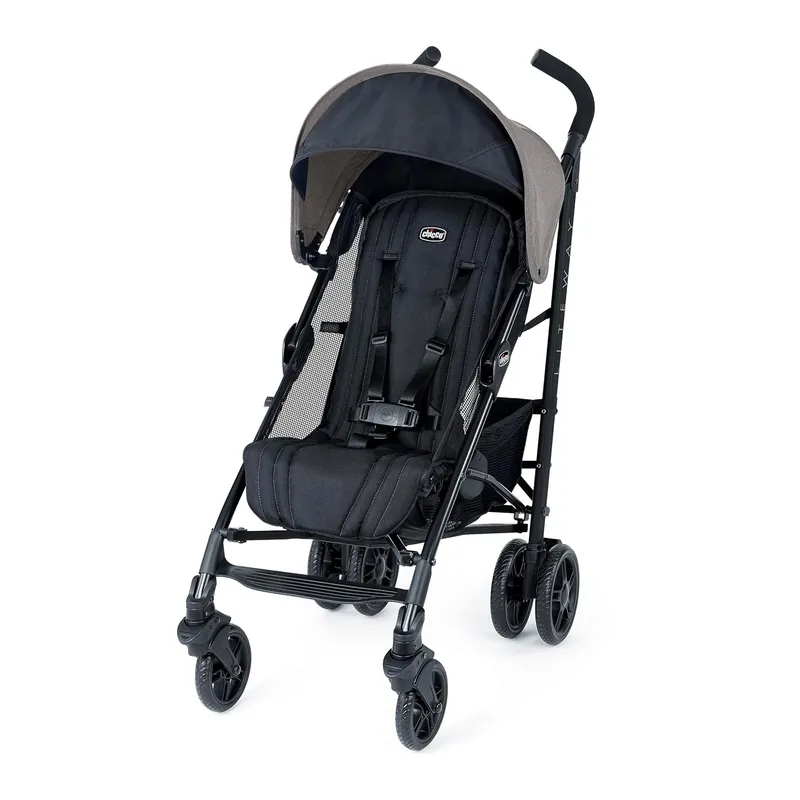
Umbrella vs Full-Size Stroller
A lightweight umbrella stroller and a full-size stroller solve different problems. When each one is the right buy, and the middle option most parents miss.
special · 2026-10-24
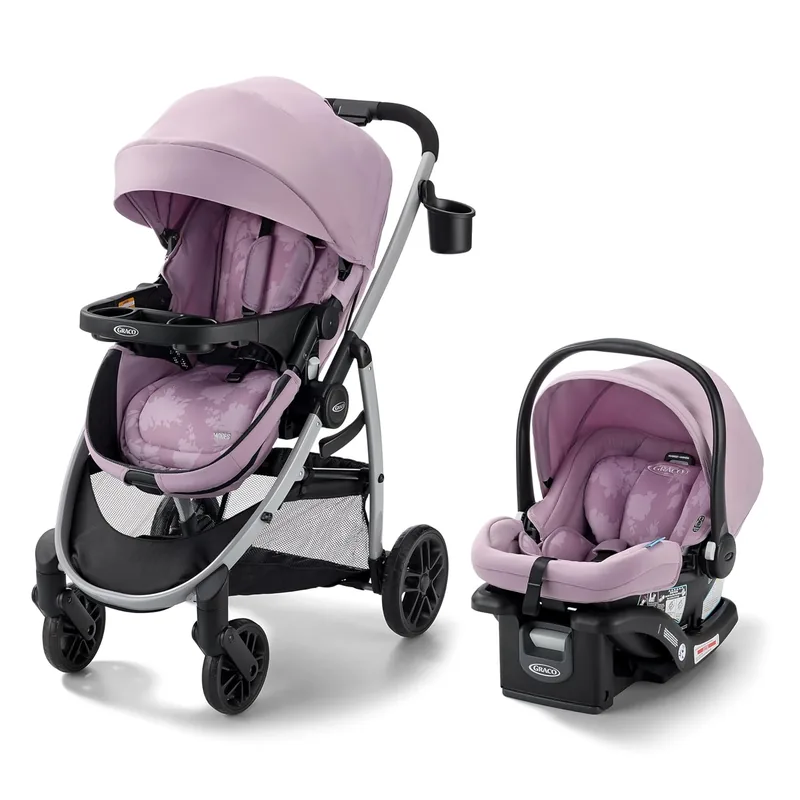
Travel System vs Separate
A travel system pairs stroller and infant car seat. What you gain in convenience, and what you give up in weight and longevity, before you buy.
special · 2026-10-24
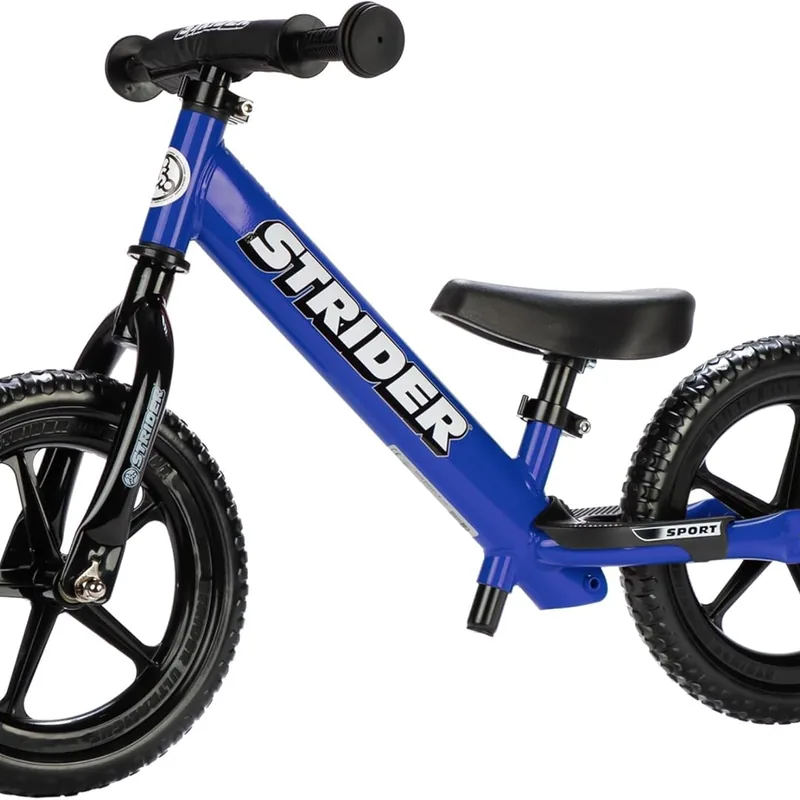
Balance Bike vs Training Wheels
Training wheels hold a child up; a balance bike teaches them to hold themselves up. What each method costs in later skills, and which fits your child.
special · 2026-10-24
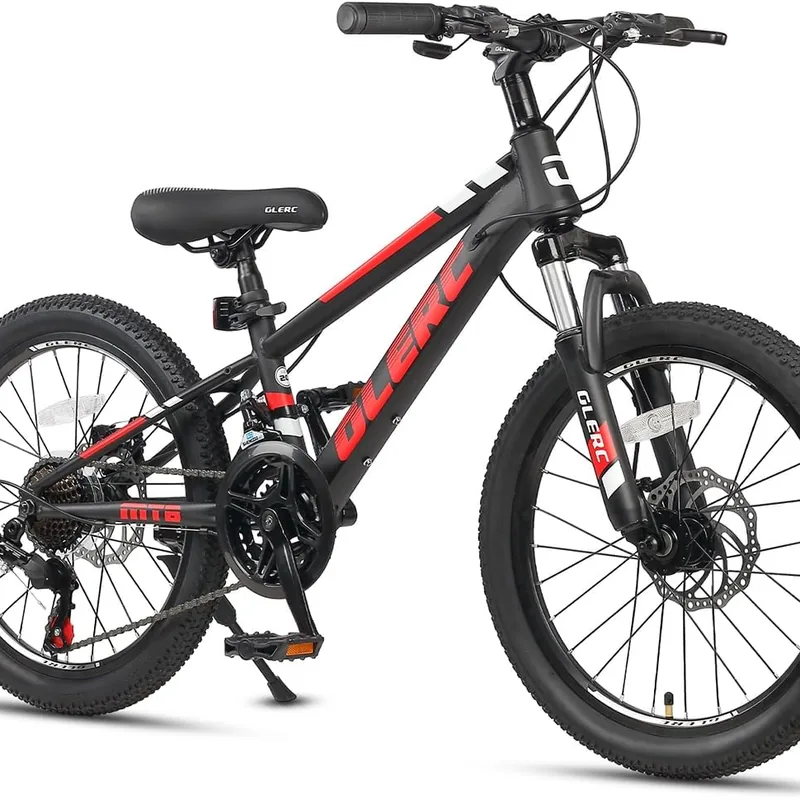
Coaster vs Hand Brake Kids
Coaster brakes are simple and need no hand strength; hand brakes teach the habit every later bike uses. What each gives up, by rider age and bike size.
special · 2026-10-24
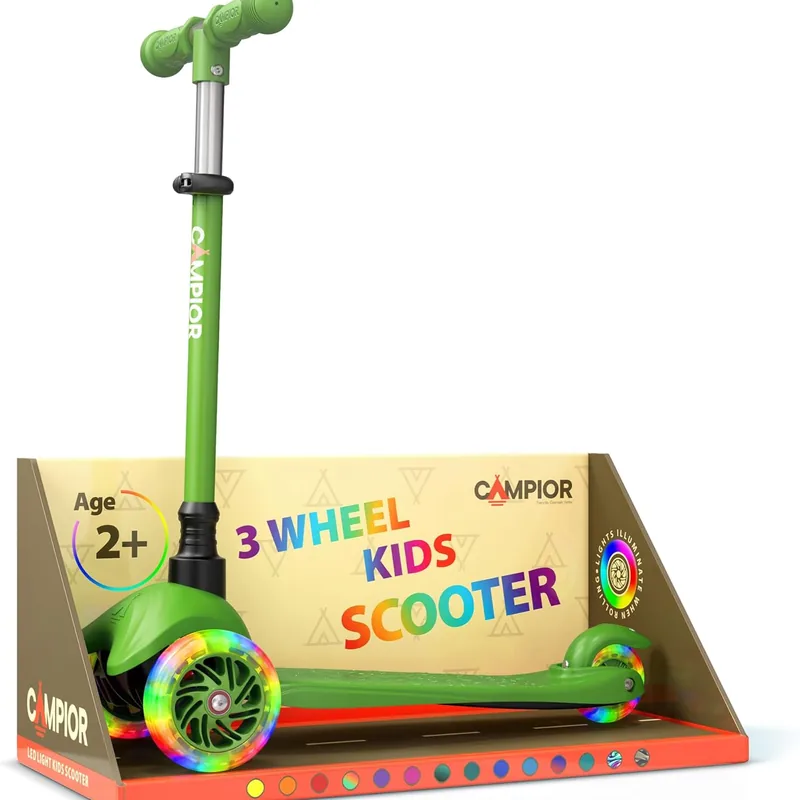
Kick Scooter vs Electric Scooter
A powered scooter is a different machine with a minimum age and speed rules. Why we publish only kick scooters, and what to check if you buy electric.
special · 2026-10-24
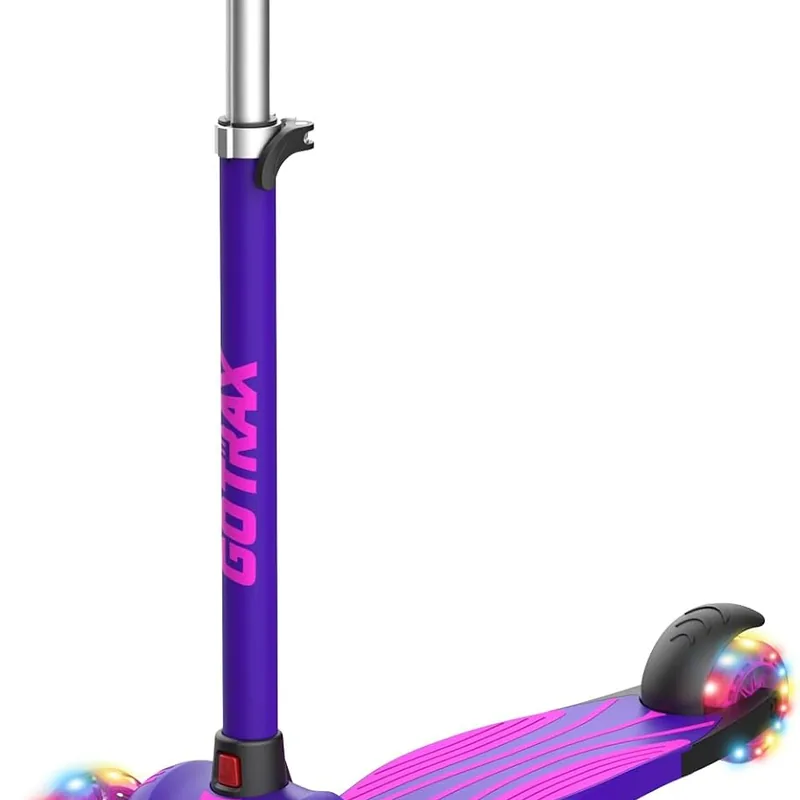
Adjustable Height Scooter Guide
An adjustable stem is what lets one scooter span three years. How to read the height range, and why the lowest and highest settings both matter.
special · 2026-10-24
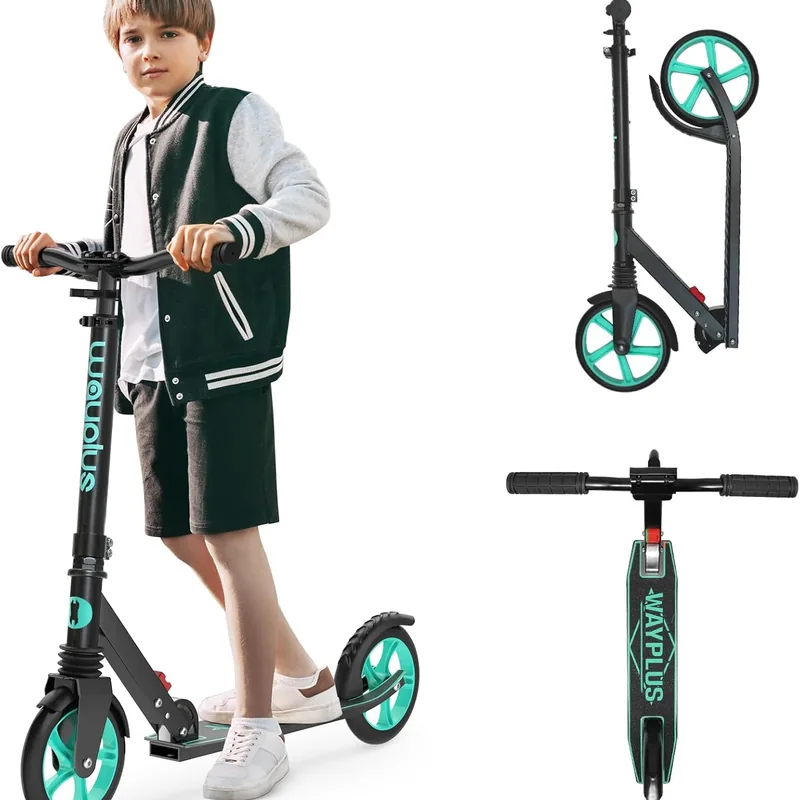
Scooter vs Bike for Short Trips
For under a mile, a scooter is lighter, cheaper, and easier to carry; a bike goes farther and faster. How to choose by distance and the child.
special · 2026-10-24
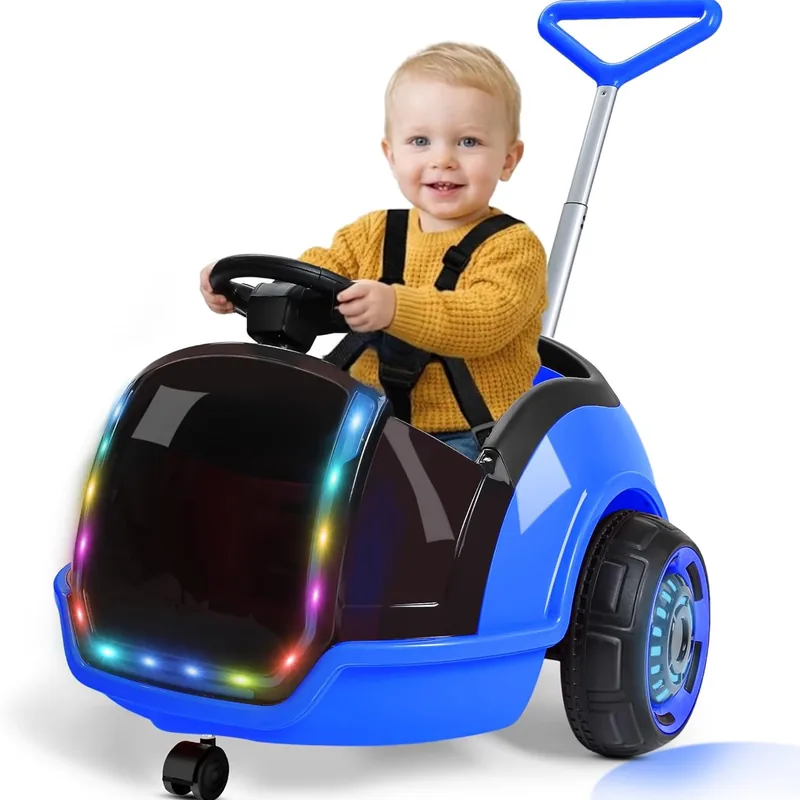
Ride On Car with Parental Remote
A parent remote lets you steer and stop a car the child cannot yet control. What to check: range, override behavior, and speed lockout.
special · 2026-10-24
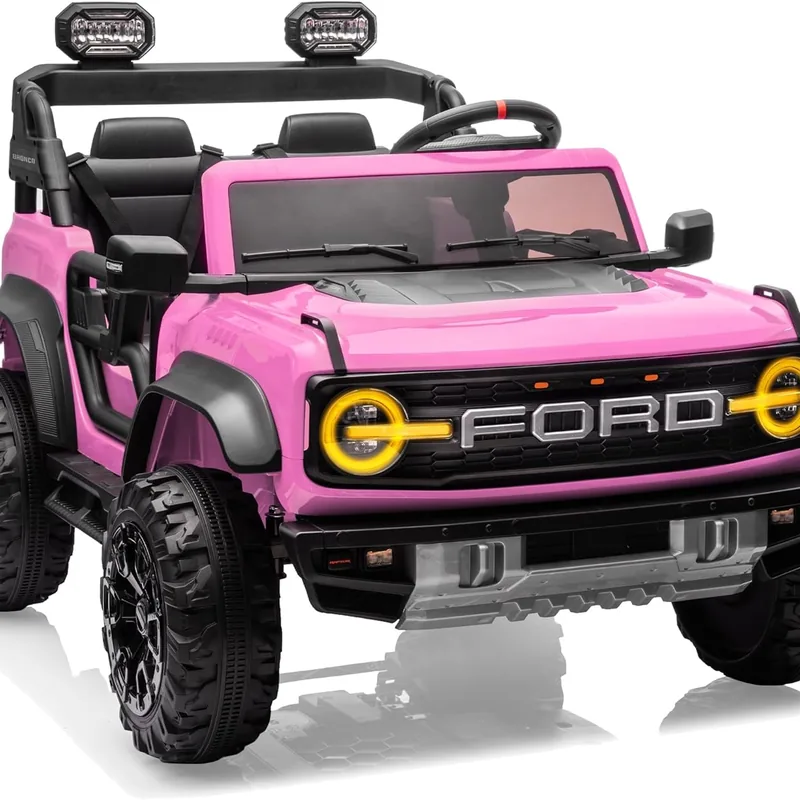
2-Seater vs Single Ride On Car
A two-seater carries two kids but drains the battery and hits the weight limit fast. A single-seater is lighter, cheaper, and lasts longer per charge.
special · 2026-10-24
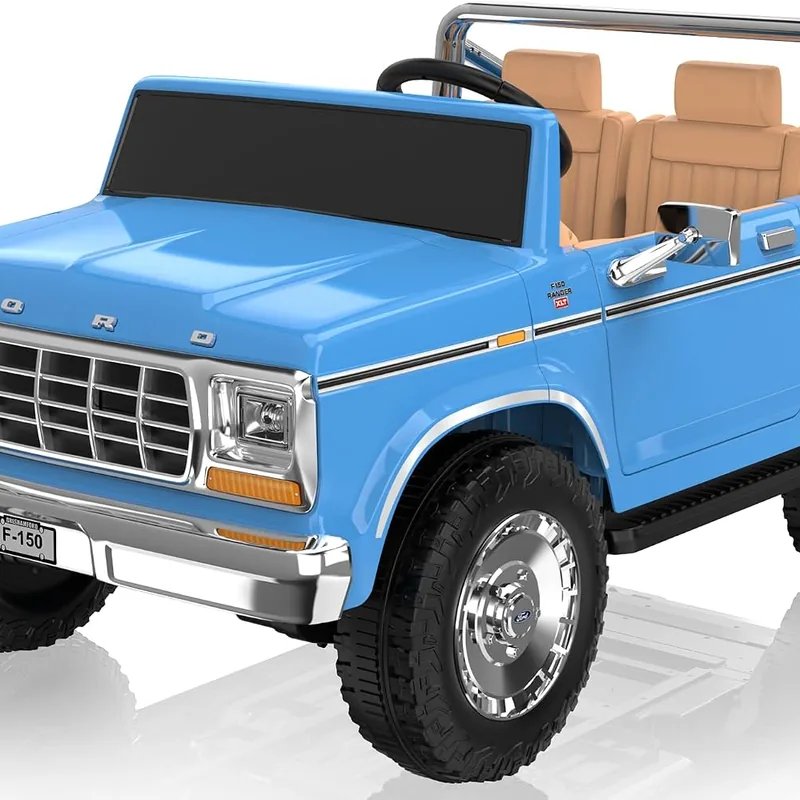
Ride On Car Tires for Grass
Plastic wheels spin on grass; rubber and EVA foam grip. How tire type decides where a ride-on can actually drive, and what to check for your yard.
special · 2026-10-24
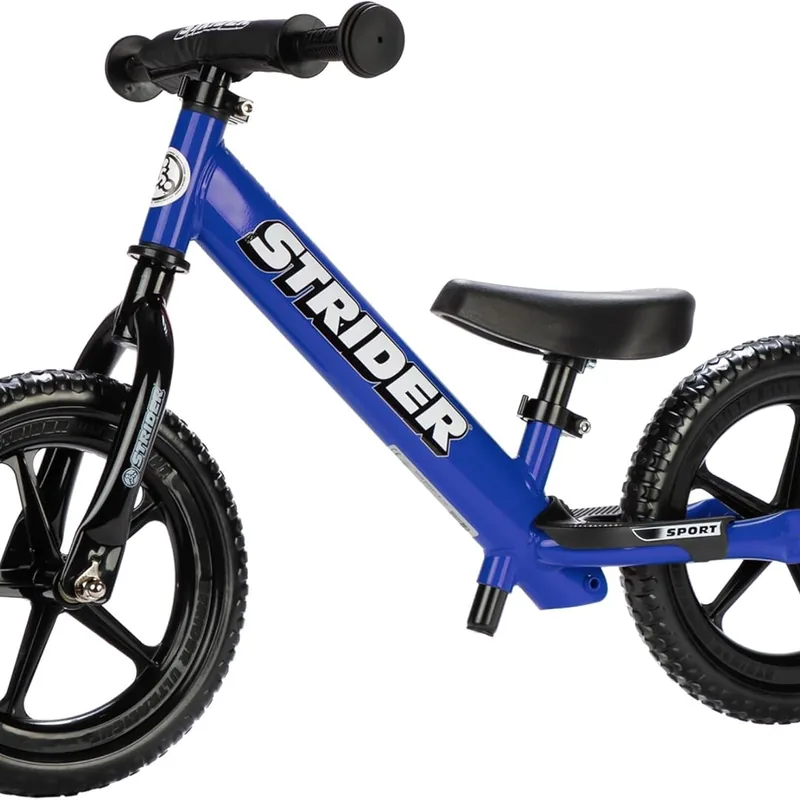
Balance Bikes for Kids Who Need Support
For kids who need extra support: inseam-first sizing, step-through frames, and the adjustments that matter more than the model you pick.
special · 2026-10-19
Common questions
What frame geometry helps a rider who needs support?
A low step-through top tube: it lets the child mount and dismount by stepping through rather than swinging a leg over, and it lowers the center of gravity so the bike feels more stable at rest.
How should the seat be set?
At or just below the child's inseam, so both feet rest flat with a slight knee bend when seated. A longer seat range (roughly 11–17 inches) keeps the fit correct as the child grows.